
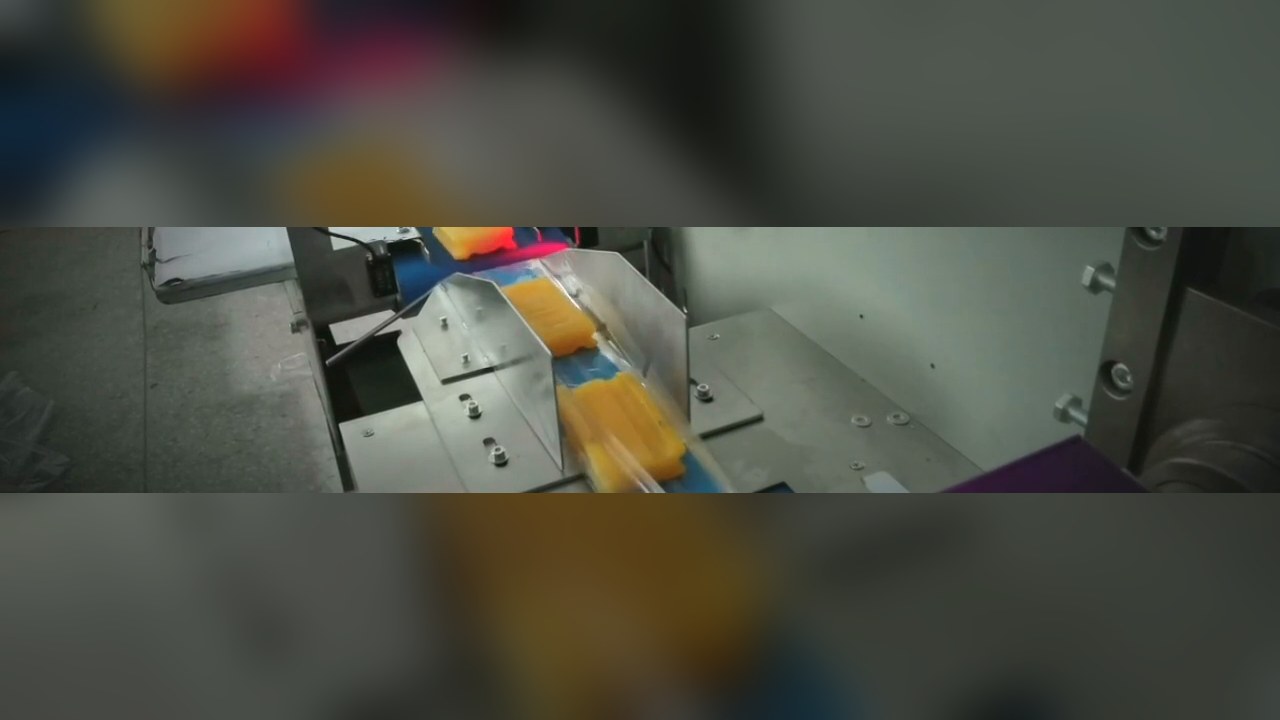
Start with the symptom, location and moment it occurs
Record whether the fault is constant or intermittent, which product and film are running, when the format last ran correctly and what changed. Check whether a defect occurs at the leading end seal, trailing end seal, longitudinal seal, cut position, print position, infeed or discharge.
Change one controlled variable at a time and retain the last approved recipe and pack as references. Random adjustments can hide the original cause and create a second problem.
Separate six cause groups
- Product: dimensions, temperature, crumbs, moisture, stickiness, deformation or arrival position.
- Film: reel alignment, splice, construction, thickness, coefficient of friction, print mark or sealing window.
- Setup: threading, former position, tension, temperature, pressure, timing, recipe or sensor teach.
- Mechanical condition: wear, contamination, damage, looseness, belt condition, jaw or knife condition.
- Line condition: upstream gaps, downstream blockage, unstable transfer or speed mismatch.
- Control and sensing: dirty or misaligned sensor, unstable signal, incorrect mode, encoder or registration input.
Capture evidence before the fault disappears
Retain affected packs in sequence, photograph both sides and seals, record machine alarms and settings, identify the film reel and product batch, and take a safe video of the product path where permitted. State whether a restart, film change, cleaning or adjustment temporarily changed the symptom.