Map product arrival
Record rate, orientation, spacing, batch pattern, rejects and the consequences of upstream stoppages.

Engineer the infeed, wrapper, coding, inspection, discharge and controls as one production system rather than a collection of separate machines.
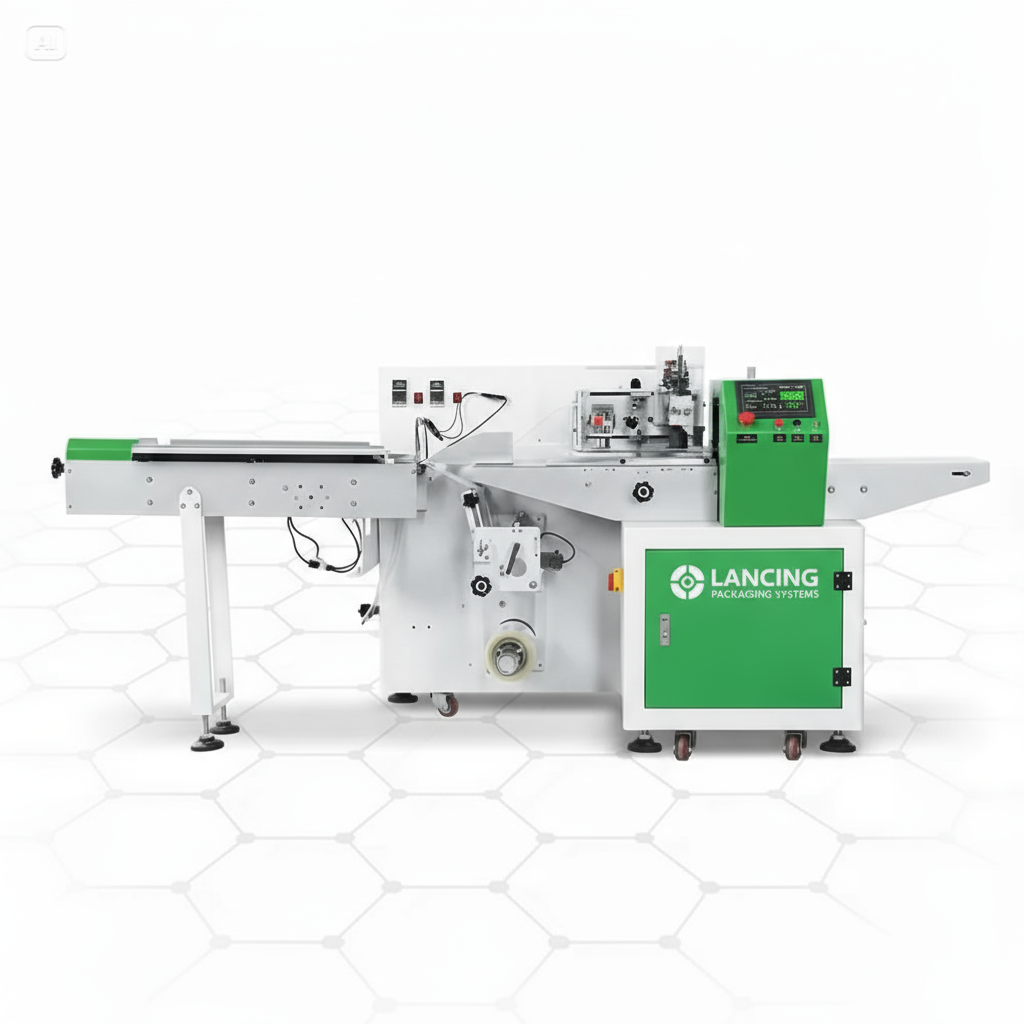
Successful integration requires a shared mechanical, electrical and operational scope.
Record rate, orientation, spacing, batch pattern, rejects and the consequences of upstream stoppages.
Choose manual, lugged, belt-timed, collated, robotic or feeder-based presentation according to product behaviour.
Define where codes are applied and verified, then maintain product identity through any rejection point.
Protect warm seals, prevent pack shingling and provide enough downstream capacity for normal interruptions.
Document ready, run, starved, blocked, fault, emergency-stop and restart behaviour across all connected equipment.
Orient, count or group products before the wrapper.
Bowl feedersTransfer, space, buffer and discharge products or finished packs.
Packaging conveyorsApply date, batch, barcode or traceability information to film or pack.
Coding machineryCoordinate machinery, controls and line utilities across the project.
Packaging linesA functional design specification should explain how the line behaves in normal and abnormal conditions.
For each connected machine, record mechanical datum, conveyor height, direction, product pitch, electrical supply, safety circuit, I/O signals, network protocol and responsible supplier.
A machine can pass its standalone test while the integrated line still fails to meet the required output.
Use representative product and film, agreed run duration, fault scenarios and inspection criteria.
Verify utilities, transfers, line controls, guarding, training and sustained operation in the production environment.
Record output, rejects, stops, pack quality and changeover results against the agreed protocol.
Usually, subject to conveyor height, speed range, product transfer, controls, guarding and available floor space. A site survey or detailed interface drawing may be required.
Depending on the application, spacing can be created by manual loading, lugged conveyors, timing belts, smart-belt systems, feeders, robots or upstream process control.
The control strategy should define accumulation, controlled stopping, product recirculation or reject behaviour. The correct solution depends on product stability and available buffer space.
Yes. Mechanical space, line speed, product tracking, reject confirmation and electrical signals should be included in the functional design from the outset.
Integration problems often occur at boundaries that were assumed rather than specified. Record each product transfer, signal, utility, guard interface and responsibility before detailed design is released.
| Interface | Information to agree | Acceptance check |
|---|---|---|
| Upstream product transfer | Product orientation, pitch, conveyor height, speed range, gap, accumulation and stop behaviour. | Products transfer without damage, doubles, uncontrolled gaps or loss of orientation. |
| Film, coding and inspection | Film reel loading, coder position, print trigger, code verification, checkweigher or metal-detector signals. | Correct data, legible code, challenge-test response and confirmed reject. |
| Downstream pack transfer | Pack orientation, conveyor height, maximum rate, accumulation, case packing and blocked-line behaviour. | Packs remain undamaged and the wrapper stops and restarts in a controlled sequence. |
| Controls and recipes | Run permissives, speed reference, ready/busy/fault states, product tracking, recipe ownership and reset sequence. | Selected fault and recovery scenarios operate as described in the functional sequence. |
| Safety and guarding | Guard boundaries, interlocks, emergency stops, safe access and responsibility for the complete line assessment. | Opening a guard or operating an emergency stop creates the agreed safe state and restart method. |
| Utilities and data | Electrical and pneumatic requirements, network interfaces, production data, backups and remote-support boundaries. | Utilities are stable under load and agreed data can be read, stored and restored. |
A layout is more than the machine footprints. Include loading and reel-handling routes, operator positions, guard doors, maintenance withdrawals, cleaning access, reject collection and the path used to remove a failed or trapped product.
Use the wider Lancing packaging-line layout guide when the project includes several connected packaging stages.
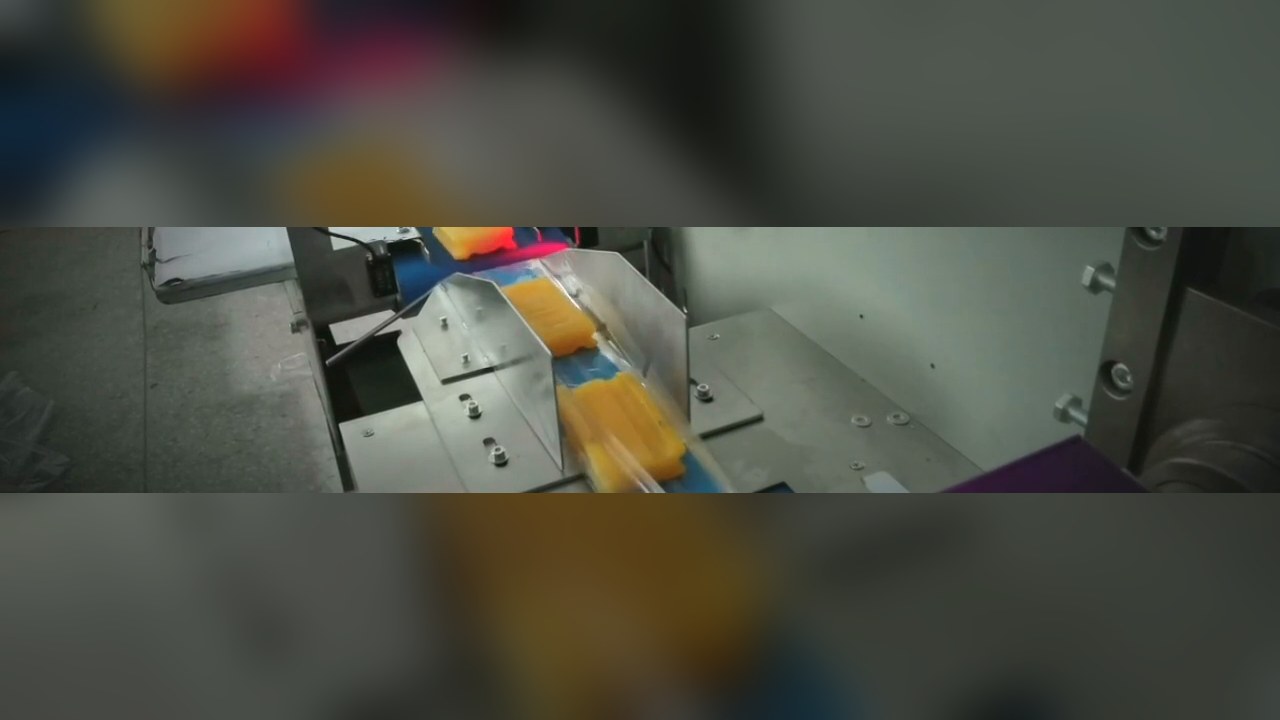
Acceptance testing should include controlled faults as well as steady production. The aim is to prevent damaged product, empty packs, unverified codes and uncontrolled restart after a short stop.
Check how the wrapper handles missing product, whether film continues, and how the line returns to normal pitch.
Confirm the warning, stop sequence, available buffer, pack disposition and restart after the blockage is cleared.
Define whether production stops, how suspect packs are contained and how the reject device is challenged before restart.
Agree product and pack dimensions, conveyor heights and speeds, transfer gaps, accumulation, ready/busy/fault signals, speed reference, product tracking, safety boundaries, utilities, data, reject logic and responsibility for each item.
Create defined scenarios such as upstream starvation, downstream blockage, guard opening and inspection fault. Record the safe stop, product disposition, alarms, reset permissions and the sequence used to return to good production.
Signal names alone do not define behaviour. The functional description should state which machine creates the state, how connected equipment responds, what happens to product in transit and which conditions permit an automatic flow-pack line to restart.
| State or data item | Definition to agree | Recovery evidence |
|---|---|---|
| Ready or run permissive | Utilities, guards, recipe, material and downstream conditions required before product can be released. | Remove one permissive at a time and confirm the line prevents or controls product entry as designed. |
| Run and speed reference | Which machine owns the master rate, permitted range, ramp behaviour and response when the reference is lost. | Demonstrate stable following at representative rates and a controlled transition when the master changes or stops. |
| Starved | How missing upstream product is detected, whether film continues and how the correct pitch is re-established. | Create a defined product gap and record film use, pack disposition and return to accepted production. |
| Blocked | Sensor location, available accumulation, warning time, stop sequence and behaviour of packs between machines. | Block the downstream route under controlled conditions and confirm safe stop, retained product and restart. |
| Fault and reset | Fault source, severity, product consequence, reset authority and whether a local reset is enough for the complete line. | Test selected faults and prove alarms, product containment, reset permissions and sequence. |
| Inspection and reject result | How a failed code, weight, metal-detection or other inspection result remains linked to the correct pack. | Challenge the device, confirm physical rejection and verify the result or bin condition required before continuing. |
| Recipe and product code | Which system owns the selected format and how mismatched product, artwork, code or downstream settings are prevented. | Select agreed formats and confirm all dependent settings or operator checks are presented before run. |
Accumulation can absorb a finite disturbance; it cannot compensate indefinitely for a slower downstream process. Define the interruption to be protected against in seconds or products, then prove that product or warm finished packs can wait and restart without damage or loss of identity.
Measure the normal rate range, bursts, gaps and planned stops from the process supplying the wrapper. Decide whether the wrapper follows that rate, uses a timing section or requires a controlled buffer before the infeed.
Record typical code, inspection, case-packing or conveyor interruptions. The available buffer and stop sequence should protect accepted packs without causing shingling, compression or uncontrolled queues.
Some products cannot accumulate before wrapping and some soft or freshly sealed packs cannot tolerate back pressure afterwards. The layout and controls should reflect those limits.
Record entry and exit rate, usable capacity, first-in/first-out requirement where relevant, maximum waiting condition and the exact line states that fill, hold and empty the buffer.
No. It is useful only when the product or pack can wait safely and the buffer addresses a defined interruption. Fragile, sticky, unstable or identity-sensitive products may need controlled spacing, carriers or a coordinated stop instead of free accumulation.
There is no universal answer. Ownership should follow the process constraint and product-control philosophy. The functional description must identify the master, permitted speed range, follower behaviour, ramping and the response to a lost or invalid reference.
Define the trigger, tracking reference, travel distance or queue behaviour, reject command, physical confirmation and response to a full bin or failed reject. The line must prevent an inspection result being assigned to the wrong pack after a stop or gap.
Use the final control and safety design to define the test. Confirm retained product, recipe and data state, alarms, reset authority, equipment readiness, product release and the controlled sequence used to return to accepted packs.
Mechanical, controls, safety and production responsibilities should use the same line boundary. A transfer or signal is not complete until the normal state, fault state, recovery owner and acceptance test are recorded.
Define incoming condition, pitch, gaps, overlaps, missed products and recovery after starvation.
Feeding systemsConfirm access, service space, utilities, conveyor heights, materials and commissioning roles.
Site preparationAssess inter-machine access, emergency-stop zones, reset ownership and routine interventions.
UK safety planningSeparate factory machine evidence from site transfers, signals, buffering and production release.
FAT and SAT guideThe wrapper, product feeder, coder, inspection devices and reject system must agree which pack is where, what state the line is in and what event creates a stop or reject.
Separate wrapper cycle rate from starved time, blocked time, rejects and accepted packs over the agreed run.
Measure sustainable flow-wrapper outputDefine trigger, busy, ready, good, reject and fault behaviour around the physical pack path.
Plan coding and inspectionShare your product, pack size, film and target output for a practical machine recommendation.