Tell us what you need to pack — call 01494 623015 for practical machine advice
Seal-quality guide

How do temperature, pressure and dwell create a reliable flow-wrap seal?

A reliable flow-wrap seal is produced inside a proven sealing window: the combination of film construction, temperature, pressure, contact time, jaw condition, web control and product clearance that makes an accepted seal at production speed. There is no single temperature or recipe that is correct for every film and pack.

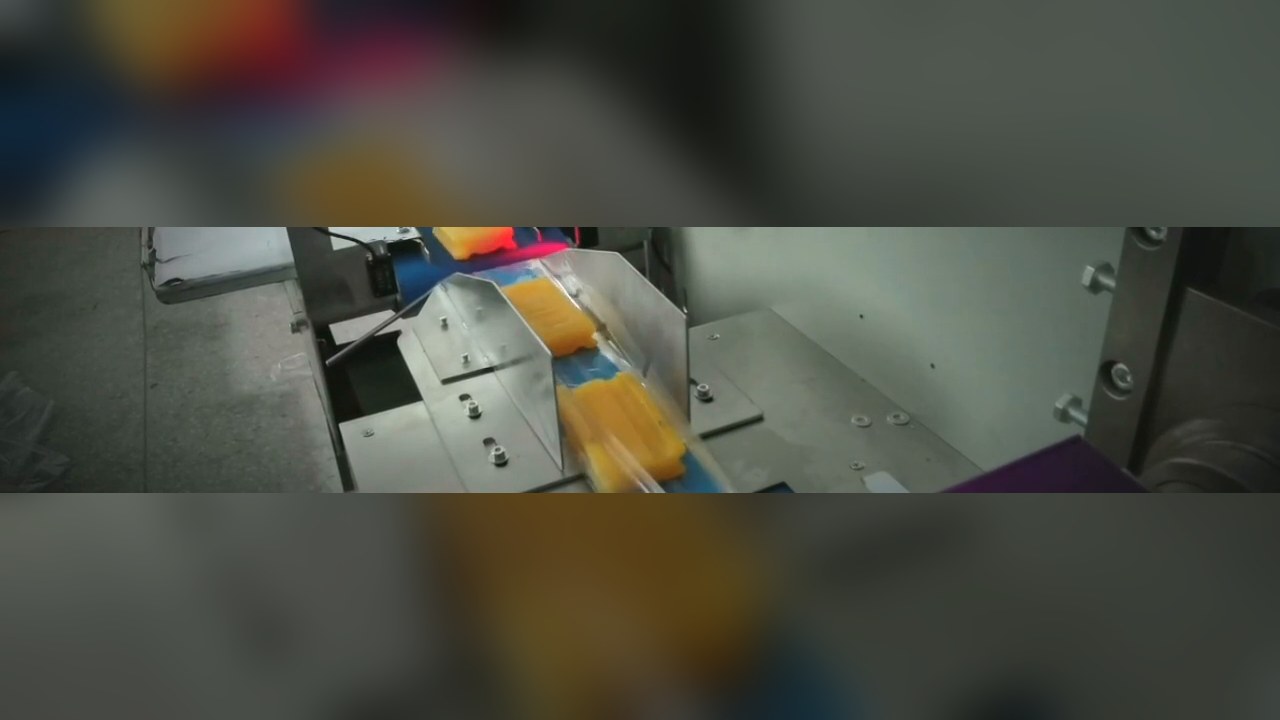
Flow-wrap sealing windowHorizontal flow wrapper sealing and cutting area

The sealing window must be proved with the production film

Temperature, pressure and dwell time work together rather than independently. The sealant layer must receive enough controlled energy and contact to bond, while the film remains dimensionally stable and the product stays clear of the longitudinal and transverse seal areas. Film speed, jaw geometry, contamination, web tension and cooling can all change the result.

The practical starting point is the film supplier’s technical data, followed by a controlled machine trial using the intended reel, product, pack size and speed. Record an accepted setting range rather than one unexplained number.

What changes the sealing result?

  • Film structure and sealant layer: two films with the same broad material name can have different coatings, gauges, friction and activation behaviour.
  • Temperature: the set value, actual jaw surface temperature and heat transfer into the seal may differ.
  • Pressure and jaw alignment: uneven contact, worn profiles or contamination can create channels even when temperature appears correct.
  • Dwell or contact time: available contact changes with jaw motion, pack length and line speed.
  • Product and environment: crumbs, oil, moisture, lotion, dust, product heat and room conditions can affect the seal area.
  • Web control: tracking, tension, wrinkles, print registration and former setup influence how the layers meet.

Why fin seals and end seals may need separate checks

The longitudinal fin or lap seal is made along the direction of travel, while the transverse jaws make and cut the pack ends. They use different mechanical assemblies, contact patterns and pressure distribution. A film can appear acceptable at the fin seal but fail at an end seal, or vice versa. Both seals should therefore have their own acceptance checks and retained reference packs.

Why a seal may pass slowly and fail at production speed

At a lower speed the film may receive more contact time or recover differently after heating. Increasing speed can reduce dwell, alter film tension, change product timing and expose upstream or downstream instability. A valid setting is one that produces accepted seals over a sustained run with normal product variation, stops, restarts and the real infeed—not only a few hand-fed samples.

Controlled qualification

Change one variable at a time and record the accepted range

The trial should use a defined film batch, jaw setup, product condition and test method. Random changes make the root cause harder to identify.

Flow-wrap sealing-window trial record
RecordWhat to fixWhat to examine
Film basisSupplier, structure, gauge, reel width, unwind, print repeat and batch.Tracking, layer presentation, sealant activation and appearance.
Machine basisJaw type, profile, alignment, fin-wheel or belt arrangement and speed.Contact uniformity, dwell, pressure and cut position.
Recipe rangeTemperature, pressure or force, speed and any timing offsets available.Minimum stable setting, nominal setting and upper safe limit.
Product basisSmallest, largest and most difficult product conditions.Seal contamination, clearance, wrinkles, product damage and restart behaviour.
AcceptanceVisual standard and any strength or leak test that genuinely applies.Longitudinal seal, both end seals, corners, code area and retained reference packs.
Heat seal and cold seal are different projects

Confirm the film technology and machine configuration before assuming interchangeability

Heat-seal films

Heat-seal structures use controlled heat and pressure to activate the sealant layer. The suitable window depends on the actual construction and machine contact time.

Cold-seal films

Cold-seal structures use a pressure-sensitive coating and may be considered where product heat sensitivity matters. They require suitable film, coating registration, handling and compatible machine equipment.

Do not substitute at production

Changing from heat seal to cold seal—or between film structures—can alter tracking, tension, jaw setup, cleaning, registration and acceptance. Treat it as a controlled format change.

Separate a material problem from a machine problem

Use the flow-wrapper troubleshooting guide to record the defect pattern, then compare the film, recipe, product condition and jaw state against the last accepted pack.

Questions buyers and operators ask

Flow-wrap sealing-window questions

What temperature should a flow wrapper use?

There is no universal flow-wrapper temperature. Use the production film supplier’s data as a starting point and qualify a stable range on the actual machine. Film structure, sealant layer, gauge, speed, pressure, dwell, jaw design and product contamination can all change the required setting.

Can more heat fix a weak flow-wrap seal?

Not necessarily. A weak seal can also result from inadequate pressure, short dwell, misalignment, damaged jaw profiles, contamination, wrinkles or incompatible film. Raising temperature without diagnosing the cause can distort the film, mark the pack or narrow the operating window.

Can the same machine recipe be used for every film?

No. Even films with similar names can differ in sealant chemistry, thickness, coating, friction, stiffness and winding quality. Each approved film should be linked to a controlled recipe, reference reel data and accepted pack standard.

When should cold-seal flow wrapping be considered?

Cold seal may be considered for a heat-sensitive product when a suitable coated film and compatible machine configuration are available. It is not a universal upgrade or a setting change on every heat-seal wrapper; coating position, pressure, web handling, cleaning and pack testing must be reviewed.

Prove the operating range

Send the film, product and accepted pack before settings are fixed

Lancing can review the film specification, reel, finished-pack requirement and output target, then define the trial evidence needed to confirm a workable sealing window on the proposed machine.

Ready to discuss your product?

Share your product, pack size, film and target output for a practical machine recommendation.