
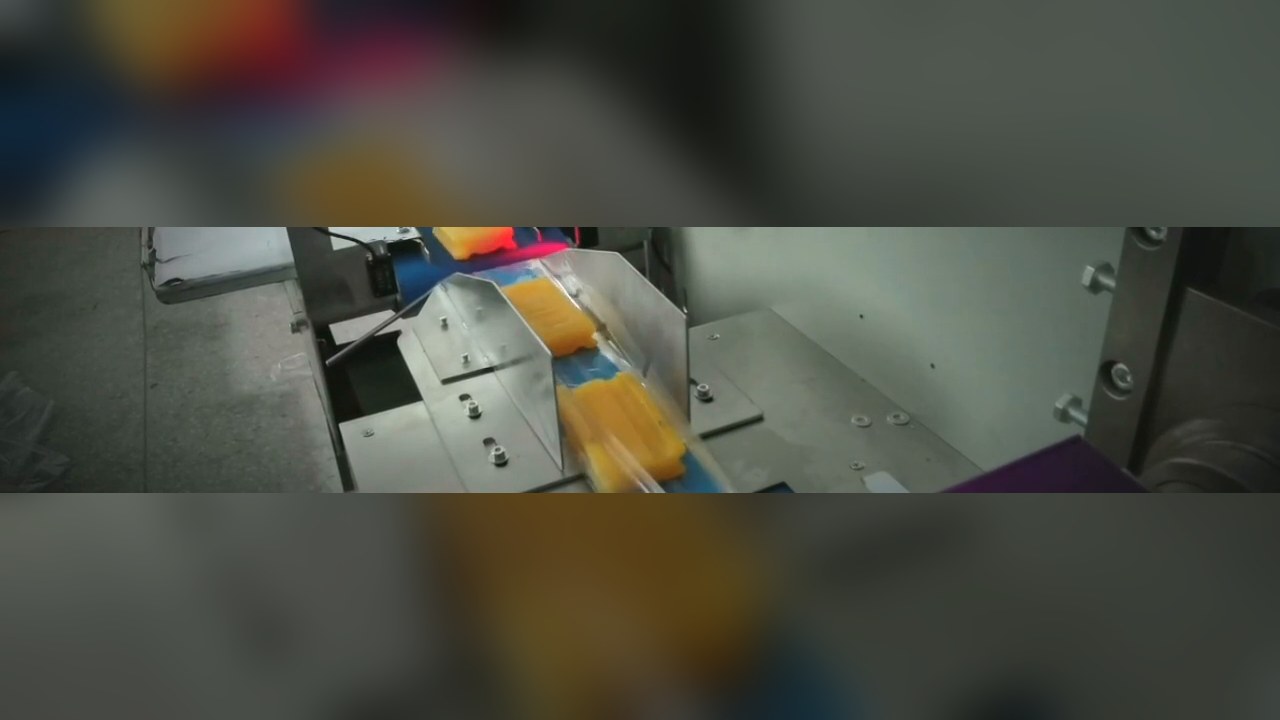
What is different about a flow wrapper for contract packing?
Contract packing introduces repeated changes of product owner, product geometry, artwork, film, code, batch and acceptance criteria. A machine that runs one stable factory format may not be the best system for short campaigns or a changing customer portfolio. Format range, setup evidence, material control and recovery after changeover become as important as nominal output.
The machine should be selected against the confirmed work profile. Products still have to fit the machine’s dimensional, feeding and sealing capability; flexibility does not mean every product can share one former, jaw set, film path or infeed.
How should a contract packer define a format family?
A format family groups products that can use the same verified machine architecture and a controlled set of change parts, recipes and films. Define the minimum and maximum product envelope, finished-pack range, product orientation, infeed method, former or format parts, seal arrangement, coding position and inspection rule.
Do not create a family from dimensions alone. A fragile biscuit, abrasive component and wet product may need different handling or cleaning boundaries even when the sizes are similar. The format record should identify both the approved range and the exclusions.
What evidence makes changeover repeatable?
Repeatable changeover needs identified parts, an approved recipe, verified film data, recorded guide positions and a first-off pack approval sequence. The operator should be able to prove which product, film, artwork and code are installed and compare the first packs with the correct customer standard.
Record adjustments that differ from the approved format rather than normalising undocumented trial-and-error. The maintenance and changeover guide explains how to retain the settings, parts and pack evidence.
How should customer film and artwork be controlled?
Each reel should be linked to the approved customer, product, format and artwork revision before it reaches the wrapper. The packer needs the film structure, reel width, core, diameter, unwind direction, print side, repeat, eye mark, seal keep-clear areas and code position.
Film from a new converter or revision should not be assumed equivalent because the artwork looks the same. Winding, slip, thickness, sealant and registration behaviour can change machine performance. Use the film specification guide to create a controlled release record.
How should each customer format be accepted?
Acceptance should use representative product and production film, a defined run period and measurable good-pack criteria. Record product presented, packs made, accepted packs, rejects, stops, film or reel events, code verification and the result after a normal restart.
A factory acceptance test proves the agreed machine scope; a customer-format release proves that a specific pack is ready for routine production. The trial, FAT and SAT guide helps separate those decisions.
Can one flow wrapper cover every contract-packing job?
No single flow wrapper should be assumed to cover every product, film and pack requirement. A platform can be flexible within a verified range, but top-reel versus inverted handling, jaw motion, hygiene needs, product feeding, gas flushing, film width and product height may require different equipment or project scope.
Build the business case around the actual pipeline of work and the cost of format change, not an undefined promise of versatility. Where work falls outside the verified range, use a separate machine, specialist infeed or another packaging process.