Tell us what you need to pack — call 01494 623015 for practical machine advice
Sealing-jaw selection

Rotary vs box-motion flow wrappers

Rotary and box-motion jaws create the transverse end seals in different ways. Choose the motion around film sealability, pack geometry, clearance and the required production duty.

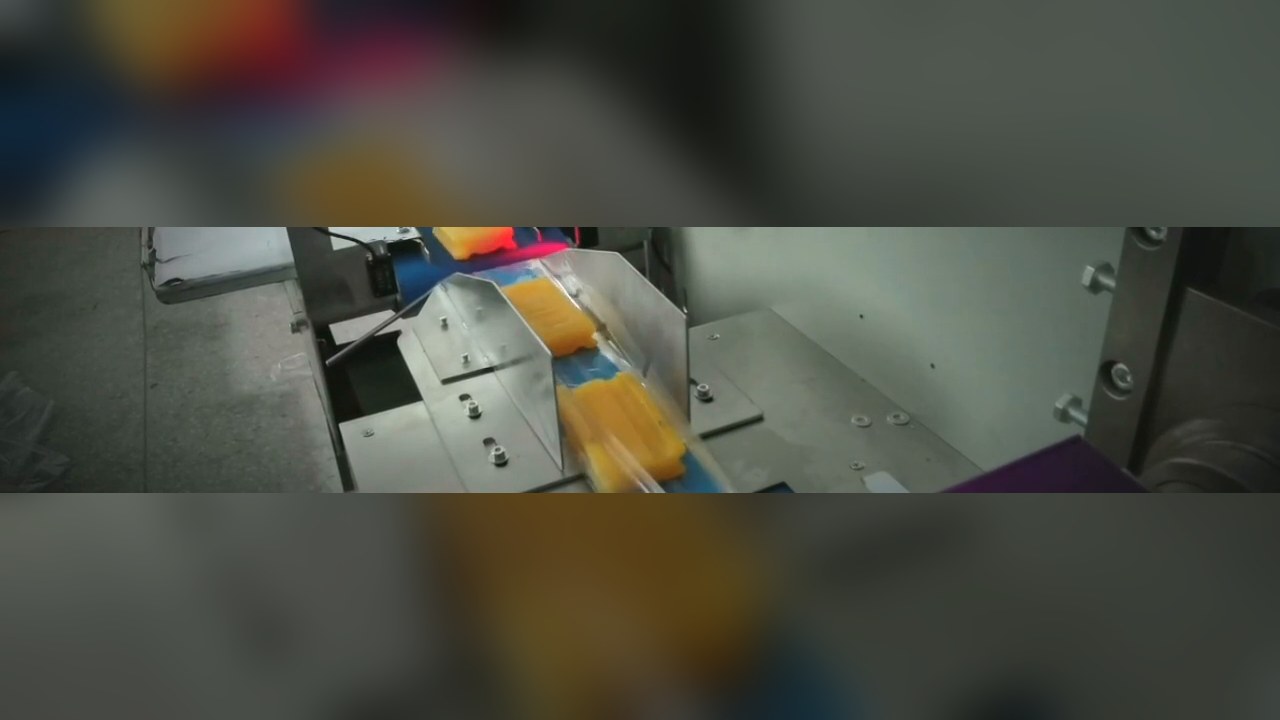
Sealing motion comparisonHorizontal flow-wrapping machine and sealing process

Neither sealing motion is universally better

Rotary jaws travel continuously around a circular path and meet the film for a relatively short part of each revolution. Box-motion or long-dwell systems move the jaws with the film for a longer sealing contact before opening and returning. Manufacturer terminology and mechanical arrangements vary, so the proposed jaw motion, usable pack envelope and test conditions should be confirmed from the actual machine.

The correct choice is the one that produces an accepted seal with the selected film while clearing the product and supporting the required good-pack output. A nominal machine speed alone does not prove this.

Rotary-jaw considerations

Rotary motion is commonly assessed for regular products and films that seal within the available contact time. Continuous movement can support a compact, fast wrapping cycle, but product height, bag length, jaw diameter, cut position and film temperature window must work together.

Box-motion considerations

Longer contact may be useful for films or seal requirements that benefit from additional dwell and controlled pressure. The motion may also offer different clearance around taller packs. The trade-off can include a different mechanical cycle, footprint, complexity or maximum duty, depending on the machine. These are model-specific matters and should not be inferred from the term “box motion” alone.

Variables that should decide the comparison

  • production film construction, sealant layer and verified sealing window;
  • pack height, length, width and product clearance near the end seals;
  • required seal appearance, strength and leak-test method where applicable;
  • printed-film registration and permitted cut-position variation;
  • product temperature, crumbs, moisture, dust or residue that may enter the seal;
  • sustained good-pack output using the final infeed;
  • format range, changeover and jaw access for cleaning or maintenance.
Like-for-like comparison

Test the same film, product and acceptance standard

Rotary and box-motion decision factors
FactorRotary motionBox motion or long dwell
Jaw pathContinuous rotating movement.Jaws travel with the film for part of the cycle.
Seal contactShorter contact determined by the rotary geometry and speed.Longer controlled contact may be available.
Typical assessmentRegular formats using films that seal within the available time.Difficult sealing windows, thicker structures or pack geometries needing a different dwell or clearance.
Evidence requiredGood-pack output, seal test, appearance, registration, product clearance, stop/restart and changeover using production materials.
Acceptance evidence

Define the seal test before comparing machine types

Material basis

Name the film supplier, structure, thickness, reel direction, print repeat and reference batch. A substitute film can invalidate the comparison.

Pack basis

State product range, bag size, seal width, cut position, appearance and any leak or strength test that genuinely applies.

Run basis

Measure accepted packs over a timed run with the real infeed, normal stops and documented reject rules.

Seal problems may have several causes

Use the troubleshooting guide and film qualification guide to separate material, setup, product and mechanical causes.

Confirm on the proposed machine

Choose from an accepted pack, not a generic motion claim

Share the production film, product range and seal-quality requirement so the proposed jaw system can be tested against the real duty.

Ready to discuss your product?

Share your product, pack size, film and target output for a practical machine recommendation.