Need help selecting a flow wrapper? Speak to Lancing Ltd
Technology comparison

Flow wrapper vs shrink wrapper: choose the right process

Both systems use flexible film, but they form the pack differently. Selecting the wrong process can create avoidable cost, presentation and line-layout problems.

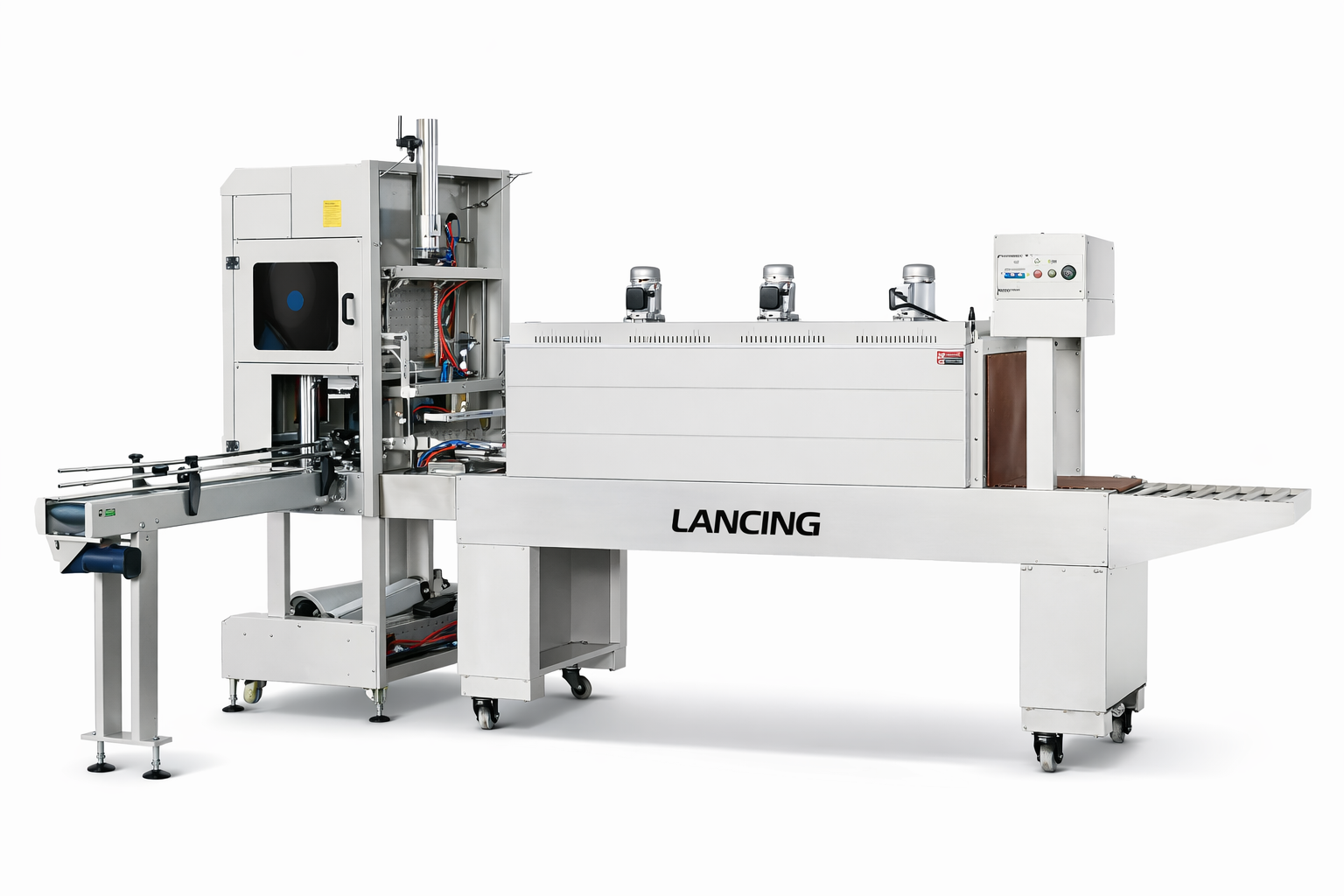
Flow-wrapping application reviewAutomatic shrink wrapping machine used for technology comparison
Core difference

Sealed pillow pack or heat-shrunk enclosure?

A flow wrapper creates a longitudinally sealed tube around products and makes transverse end seals. A shrink wrapper encloses or sleeves the product, then uses heat to contract shrink film.

Flow wrapping

Continuous formed-and-sealed packs

  • Product moves horizontally through a film former
  • Longitudinal seal plus transverse end seals
  • No shrink tunnel for the complete pack
  • Well suited to individual regular products and controlled groups
  • Printed-film registration commonly integrated
View the horizontal flow wrapper
Shrink wrapping

Film enclosure followed by heat

  • Product or group is enclosed or sleeved in shrink film
  • Pack passes through a heat tunnel
  • Film contracts around the product
  • Common for grouped products, transit packs and display bundles
  • Heat load and tunnel length affect the line layout
Explore shrink-wrapping machinery
Flow wrap and shrink wrap comparison
Decision pointFlow wrappingShrink wrapping
Pack formationFilm formed into a tube, longitudinally sealed and end sealedProduct enclosed or sleeved, then film shrunk with heat
Typical presentationPillow-style flexible pack with defined end sealsFilm conforms around the product or group
Heat processLocalised sealing-jaw heatSealing plus a shrink tunnel or heat chamber
Typical productsBars, biscuits, confectionery, soap, components and controlled multipacksBottles, cartons, trays, grouped products and transit bundles
Printed artworkRegistration can align film repeat to each packPossible, but artwork must tolerate shrink distortion where applicable
Line footprintWrapper, infeed and dischargeSealer plus tunnel and cooling/discharge space
Selection logic

Choose flow wrapping when the pack needs defined seals and repeat

  • Each product or stable group needs an individual flexible pack
  • Artwork must register consistently to the cut
  • A pillow-pack appearance is acceptable or preferred
  • The product can be delivered horizontally in a controlled orientation
  • The chosen film can seal within the required speed window

Choose shrink wrapping when contraction is the packaging function

Shrink wrapping may be a better fit when the film should tighten around a product, tray or bundle, especially for grouped bottles, cartons or transit packs.

See fully automatic shrink-wrapping guidance →

See the difference

Shrink wrapping uses a different machine and pack process

The shrink-wrapping equipment shown here helps distinguish secondary shrink packs from individually sealed flow-wrapped packs.

For a project involving both primary and secondary wrapping, define the purpose of each pack layer and the transfer between machines.

Shrink wrapping machinery comparison image
Frequently asked

Flow wrap versus shrink wrap questions

Is flow wrapping the same as shrink wrapping?

No. A flow wrapper forms and seals a web around each product using longitudinal and end seals. Shrink wrapping normally encloses the product in film and then applies heat so the film contracts around it.

Which process gives a tighter pack?

Shrink film is designed to contract and can conform closely to the product or group. Flow wrap forms a controlled pillow-style pack and does not rely on a shrink tunnel.

Which process is better for individual snack bars?

Horizontal flow wrapping is commonly used for regularly presented individual bars because it forms and seals each pack continuously. The final decision depends on product, film, barrier and presentation requirements.

Does a flow wrapper need a heat tunnel?

No. Its sealing jaws apply heat at the seals, but the pack does not pass through a shrink tunnel to contract the complete film web.

Planning a flow-wrapping project?

Send product dimensions, pack format, film details and required packs per minute.